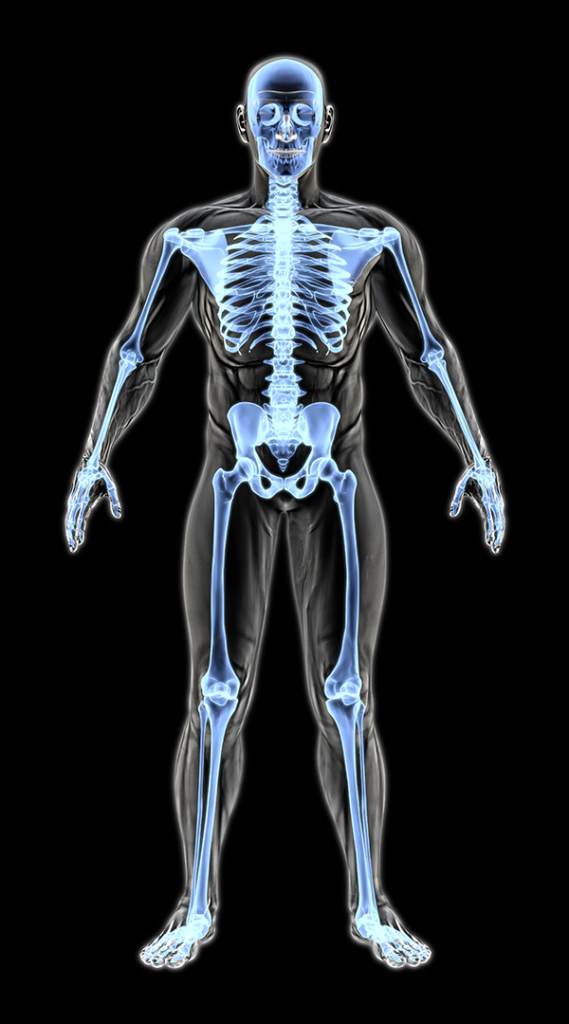
First and foremost, this is a Chiropractic practice. Our primary goal as chiropractors has been the same for over 30 years; we diagnose spinal, pelvic and peripheral joint dysfunction, determine its impact on the patient (both mechanically and neurologically), make a diagnosis, and treat the cause of the problem directly.
Communication is the most valuable commodity within this clinic. Our goal is to treat fully informed patients. We pride ourselves on NOT treating symptoms but instead in locating the cause of your complaint. In other words, we treat the source of the complaint not the resulting symptom (pain). Results are long-lasting when using this approach.
Communication is the most valuable commodity within this clinic. Our goal is to treat fully informed patients. We pride ourselves on NOT treating symptoms but instead in locating the cause of your complaint. In other words, we treat the source of the complaint not the resulting symptom (pain). Results are long-lasting when using this approach.
The clinic is evidence-informed and our clinical results are always exciting for both patient and practitioner as evidenced in our 30+ year tenure in this profession.
The upper back is the region between the shoulder blades. In this computer age, people exhibit rounded shoulders and pain. This postural problem is seen in younger and younger patients. The treatment protocol used successfully is the 3 M’s: massage, manipulation (to restore proper joint mobility) and movement (exercises).
The most common condition that a chiropractor treats is the lower back. Unfortunately, humans are designed such that their center of gravity is focused just below the lower back into the tailbone. The lower spine takes significant loads into the discs. Over time, the joints can lock, and once this occurs the discs start to die. No motion at the disc equals eventual deterioration. As the disc get thinner the nerve is vulnerable to irritation, which can result in sciatic leg pain. Research has shown that manipulating the affected area with chiropractic is quite effective in restoring spine mobility, thereby reducing nerve pressure when caught in its early stage. This is paramount in order to avoid sciatic leg pain or more simple lower back syndromes.
The hip is a strong, stable joint that withstands many years of pressure and jarring. This results in a condition called osteoarthrosis which is the result of excessive wear and tear. When this occurs, the hip responds by becoming painfully stiff, limiting your mobility. Experience with these issues has led us to use special, painless distraction techniques that help lubricate and restore lost hip motion. Once mobility is restored… pain is reduced. Of course, results are dependent upon how early our intervention begins.
The knee is a very vulnerable joint due to its anatomy. Basically, its held together by ligaments and when damaged can create a whole group of symptoms. The most common issues with knees include pain when using stairs or when arising from a seated position. In some cases the culprit is a muscular imbalance. However in certain cases there is a joint dysfunction either between the thigh bone (femur) and lower leg (tibia), or the knee cap (patella) may be misaligned. If this is the case, simple chiropractic procedures are used to reduce dysfunction and improve knee mechanics. By far the most common problem is osteoarthrosis which is a wearing down of the knee bones /cartilage. Depending upon the severity, these arthritic situations respond well to chiropractic adjustments and special braces. Its a comfortable alternative to steroid injections.
The ankle tends to an area that experiences chronic pain due to flat feet (pes planus). It can also become quite dysfunctional following a significant ankle sprain and, in fact, can remain mildly swollen for years. A chiropractor doing simple adjustments to this joint over a period of weeks is quite effective in restoring proper motion and eliminating swelling once and for all.
The foot contains 26 bones, 33 joints, and more than one hundred muscles, tendons and ligaments. Its designed to support significant forces during standing and walking. When things go wrong and foot pain begins, there are a number of causes. Painful soles or plantar fasciitis is the most common issue and is often caused by flat feet or locking of key bones of the foot. A North York chiropractor using manipulation and other non-invasive techniques can alleviate most issues. On occasion, a custom foot support will be required to maintain the foot once it is corrected. Tingling of the foot is often seen as well. It can be a sign of a pinched nerve in between the toes or possible a lower spine condition. Screening each patient is paramount to making an accurate diagnosis and appropriate intervention.